
Best Time to Visit Iceland from India
The best month depends on what you want most: midnight sun, Northern Lights, easier driving, fewer visitors or a lower-cost trip.
Compare the seasons ↓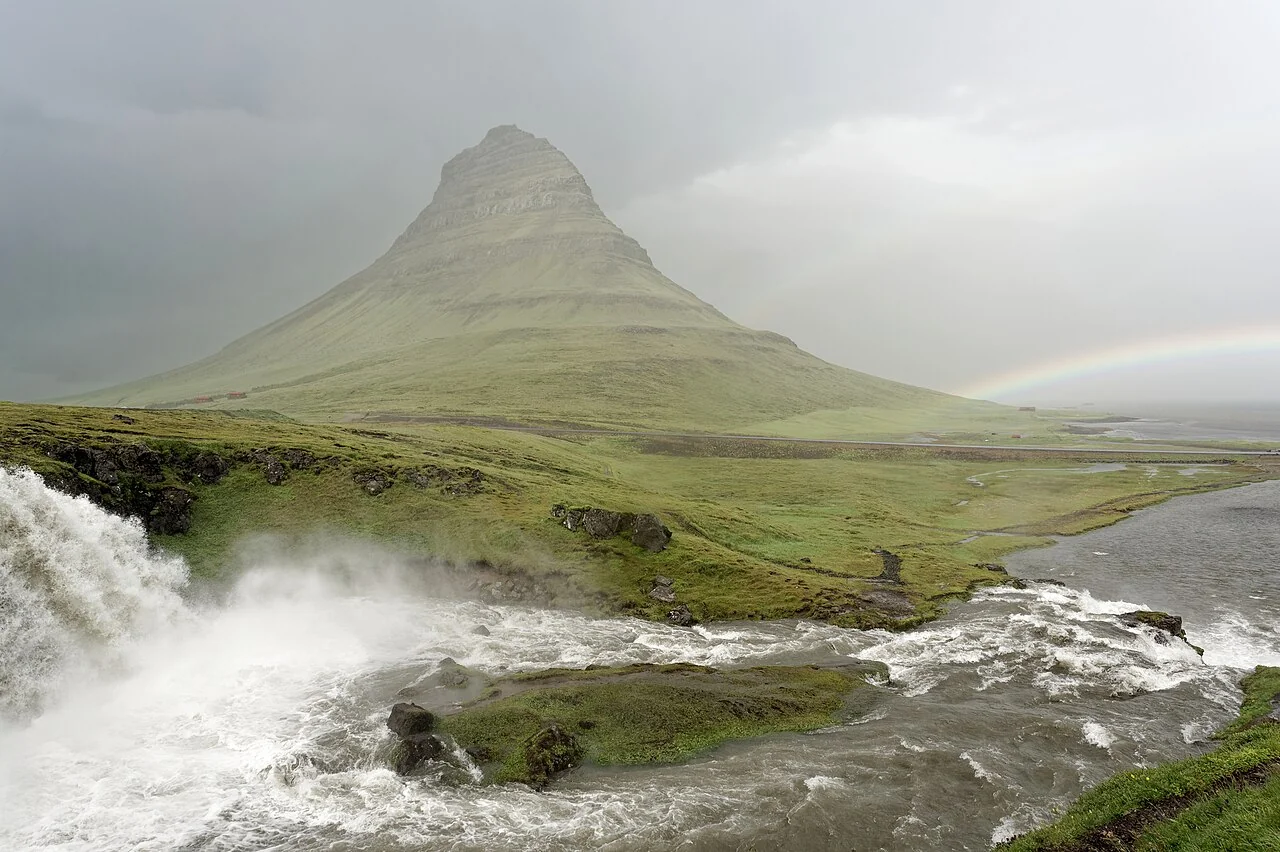
The short answer
June to August offers very long daylight, milder weather and the widest access for road trips. It is also the busiest period.
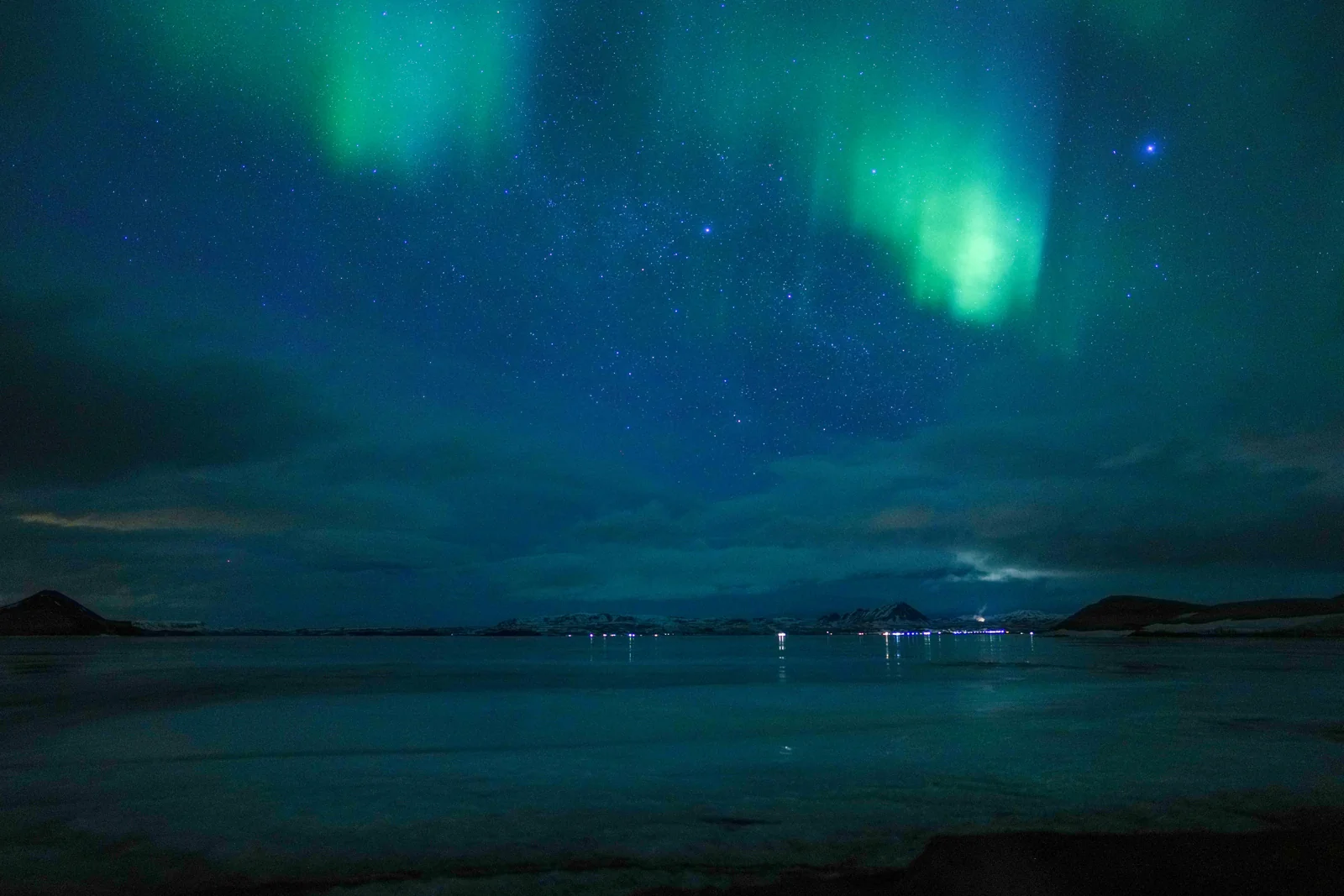
Late August to late April is the broad Northern Lights season, but darkness and clear skies are necessary and sightings are never guaranteed.
May and September can balance daylight, road access and visitor levels. Conditions vary every year, so build flexibility into your itinerary and check forecasts each day.
Iceland by season
Summer
Nearly endless daylight, generally milder temperatures and good access for long road trips. Book early and expect stronger demand.
Autumn
Darker nights return, aurora chances improve and crowds often ease. Wind, rain and early seasonal road changes require flexibility.
Winter
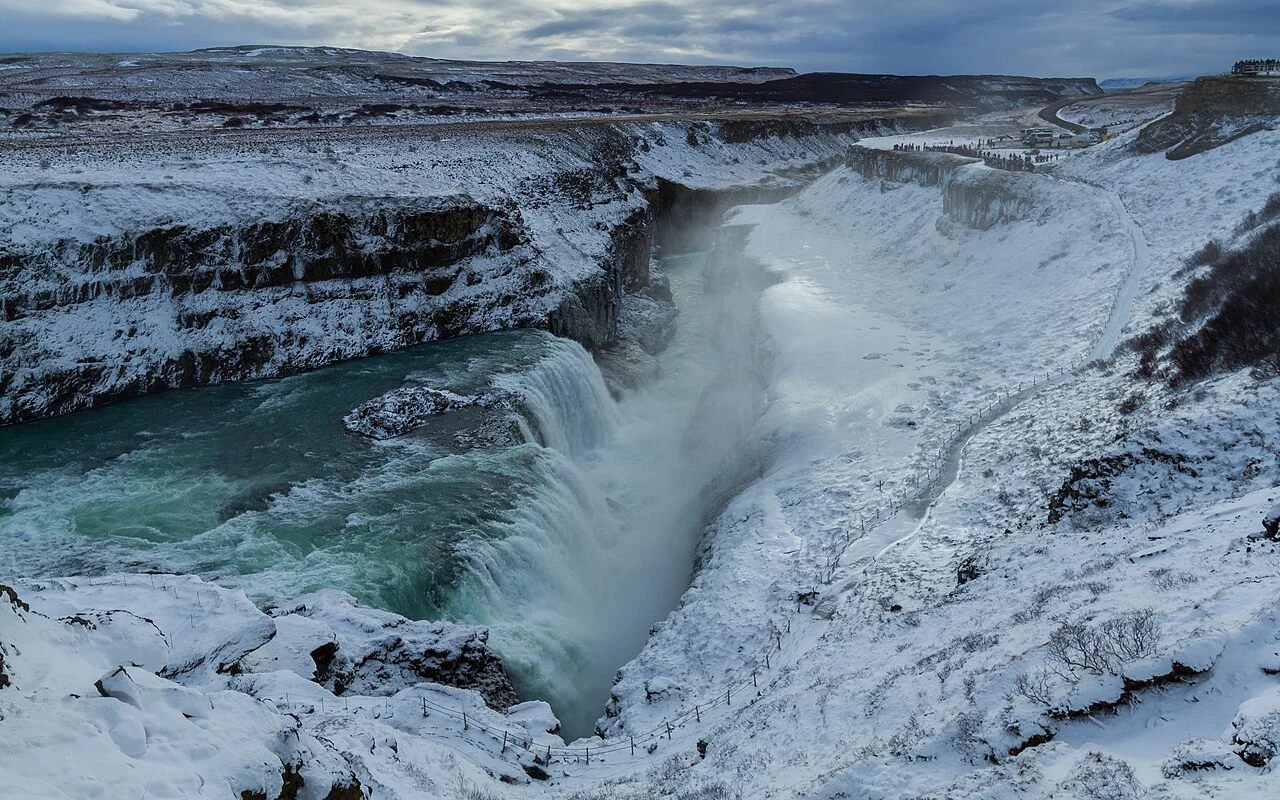
Short daylight, dramatic landscapes and long dark nights. Driving can be demanding; a focused base or guided excursions may suit first-time winter visitors.
Spring
Daylight expands quickly and the country transitions out of winter. Some highland routes remain closed and weather can still change fast.
Midnight sun
The sky does not become fully dark. Late-evening sightseeing is possible, but an eye mask can make sleeping easier.
Aurora season
Plan several nights, get away from bright lights and watch cloud and aurora forecasts. Treat any sighting as a bonus, not a promise.
Choose by what matters most
| Your priority | Consider | Trade-off |
|---|---|---|
| Long road trip | June–August | Higher demand and more visitors |
| Northern Lights | September–March | Less daylight and less predictable roads |
| Balanced first visit | May or September | More variable conditions than peak summer |
| Winter atmosphere | November–February | Very short sightseeing window |
| Fewer crowds | Spring or autumn | Some routes or services may be limited |
Pack for change
Bring warm layers, a windproof and waterproof outer layer, sturdy water-resistant footwear, gloves and a hat in every season. Icelandic wind can make conditions feel colder than the temperature suggests.
Check each day
Before driving, review the official weather forecast and road conditions. Change the plan when conditions require it; extra time is one of the most useful items in an Iceland itinerary.